
Understanding the importance of structured content for GEO and SEO
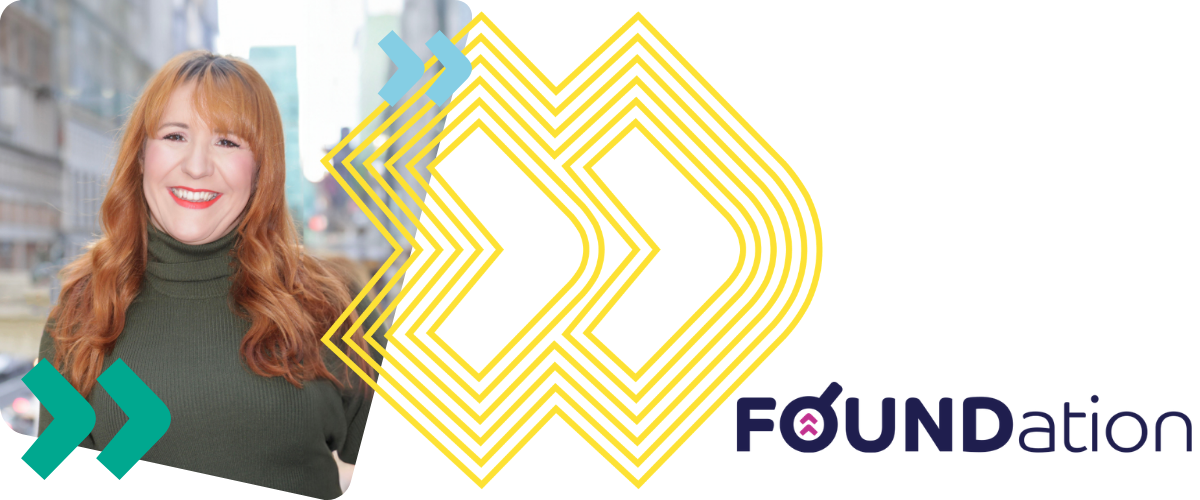
Tracy Playle
Founder, ContentEd and CEO, Pickle Jar Communications
Generative engines don’t read content like humans - they interpret structure, extract entities, and recombine information into answers. If we want our organisations to be accurately represented in AI-generated outputs, we need to present our content in ways machines can clearly understand.
While terms like “structured content” and “semantic markup” may sound technical, the principles behind them are practical and increasingly essential for content teams.
In this session, we’ll demystify these concepts in plain English. You’ll learn what structured content, schema markup, and knowledge graphs actually mean, how generative systems retrieve and synthesise information, and what simple changes can make your content easier to extract and cite. Designed specifically for non-developers, this session will give you the confidence to engage with technical conversations and make smarter editorial decisions - helping ensure your content is trusted, understood, and surfaced in AI-mediated search environments.
Key takeaways
How generative AI interprets and extracts web content
What structured content and semantic markup actually mean
Practical ways to make content easier for AI to use
About Tracy
Tracy is CEO and Chief Content Strategist at Pickle Jar Communications. She has worked with over 350 education institutions in more than 35 countries to help them advance their approach to content strategy, content design and content marketing.
Before founding Pickle Jar Communications in 2007, Tracy worked in-house at the University of Warwick, latterly as head of research-TV. She chose to become a consultant so that she could have an impact across the education sector, not just within a single institution, and to have greater breadth and variety in her work.
She is also the founder of ContentEd and the author of "The Connected Campus: Creating a content strategy to drive engagement with your university" (2020).